

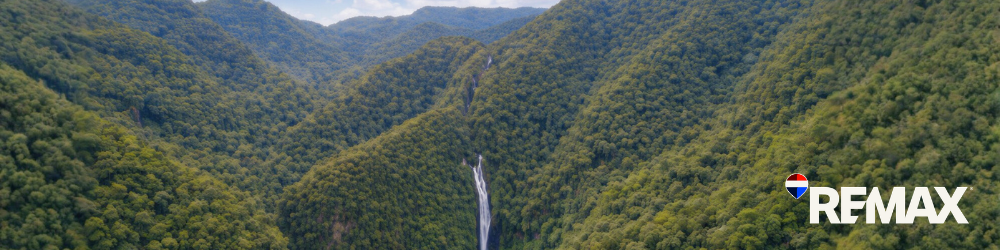
Located deep within the mountains of the Talamanca region, Telire District is one of the most remote and environmentally significant areas of Limón Province in Costa Rica. Positioned near the border with Panama, the district is characterized by rugged terrain, dense tropical rainforests, and river valleys that remain largely untouched by modern development.
For those researching Costa Rica’s diverse regions, Telire offers a unique perspective on the country’s commitment to protecting biodiversity and honoring indigenous heritage. While many visitors associate Costa Rica with beach towns and tourism hubs, Telire represents a very different side of the country, one focused on conservation, cultural preservation, and sustainable living.
Much of Telire lies within indigenous territories traditionally inhabited by the Bribri and Cabécar peoples. These communities maintain long-standing traditions rooted in agriculture, forest stewardship, and cultural practices passed down through generations.
Traditional farming methods, cacao cultivation, and deep knowledge of the rainforest continue to shape daily life in these communities. Indigenous land rights have played a critical role in protecting large areas of rainforest throughout the region, helping maintain ecosystems that are increasingly rare elsewhere in the world.
Telire sits within the Talamanca Mountain Range, one of Central America’s most biologically diverse ecosystems. The landscape is defined by thick rainforest, winding rivers, and remote villages connected primarily by river routes or rural roads.
The Telire River flows through the district and serves as a vital lifeline for transportation, agriculture, and local communities. Because of the district’s mountainous terrain and protected lands, much of the surrounding forest remains intact, supporting a wide variety of wildlife and plant species.
Unlike Costa Rica’s more developed coastal regions, Telire remains largely rural and protected due to indigenous governance and conservation priorities. Large-scale development is uncommon, and much of the land is safeguarded through indigenous territories and environmental protections.
However, the broader Talamanca region has seen growing interest in community-based tourism, conservation initiatives, and educational programs that highlight indigenous culture and rainforest ecosystems.
For visitors, researchers, and those interested in Costa Rica’s environmental leadership, Telire represents a powerful example of how cultural heritage and biodiversity protection can coexist.